
Okay, so check this out—I’ve been carrying a crypto card in my billfold for months now. Wow! It feels weird and reassuring at once. My first impression was pure novelty; a credit-card-sized hardware wallet? Seriously? But after some actual use, my view shifted. Initially I thought convenience might undercut security, but then I realized the design trade-offs are more nuanced than that.
Here’s the thing. Card-based hardware wallets are tiny, tactile, and they behave like physical keys you can hold. My instinct said they’d be gimmicks. Hmm… that was premature. Over time they became my go-to for on-the-go custody because they simplify the user flow without exposing private keys to phones or cloud services. I should be upfront—I’m biased toward devices that limit attack surface by default. That bias matters when you choose a product.
Quick reality check: not all cards are equal. Some are basically NFC chips in a fancy sleeve. Others are full-fledged secure elements with firmware that can be audited. On one hand, the idea of having a private key on a tamper-resistant chip is elegant. On the other hand, you still need to trust firmware and manufacturing. So yeah—trust matters. And trust is earned, not assumed.
How the card experience actually plays out
Tap. Approve. Done. Simple. Wow! For quick transactions the flow is refreshingly minimal. A lot of people want simple. They want somethin’ that doesn’t demand a deep tech detour every time they move crypto. But simplicity shouldn’t be mistaken for weakness. The security model is different. Instead of relying on a desktop connection or a seeded mnemonic sitting on paper, the secret stays inside the secure element. That reduces exposure to host-device malware—very very important.
That said, practical quirks exist. Batteryless NFC means you rely on the phone’s NFC field. Some older phones read slower. Also, there are occasional UX oddities—apps that time out or UI prompts that aren’t clear. Annoying. (Oh, and by the way, sideways pockets and metal wallets sometimes block the signal.) My takeaway: test your phone, test the card, try a low-value transaction first.
Security-wise there’s a comforting physicality. You can lock the card with a PIN. You can pair or register it to an app. And many cards support tamper-resistance and secure elements comparable to higher-end hardware wallets. Initially I thought that meant you could toss best practices out the window. Actually, wait—let me rephrase that: card convenience doesn’t replace backups. You still need secure recovery options and a plan for loss or damage.
Where a card wallet shines—and where it doesn’t
Great for daily spending. Short, frequent moves. Real-world transactions where you want speed and low friction. Whoa! But it’s less ideal as your single source of truth for large, long-term holdings. On one hand, a card reduces attack vectors on phones. On the other hand, if you lose the physical card and don’t have a reliable recovery method, that’s catastrophe risk. Balance matters.
Another pro: portability. Cards slip into a wallet or a phone sleeve and look like nothing special. People ask less questions than if you carry a hardware dongle with visible branding. That social stealth can be a feature if privacy matters to you. However, tampering detection matters. Some cards show physical evidence if they’re opened; others are opaque. Choose wisely.
Performance is also variable. Tap-based signatures are fast, but network latency and app UX often dominate the overall time to complete a transaction. So the perceived speed depends on the weakest link—the phone, the wallet app, or the blockchain. Thoughtful pairing and app updates help, though not always enough.
A closer look at user flows and recovery
One common flow: unbox, pair with companion app, set PIN, create backup. Easy. Hmm… but the backup details differ by vendor. Some cards let you export a seed or recovery phrase. Others require you to store a backup card or write a recovery code printed on a connector card. I’m not 100% sure about every vendor’s exact method, so check before you buy. My advice: plan for redundancy. Two backup methods is smarter than one.
Here’s what bugs me about sloppy vendors: they advertise “no seed” as if that’s the end-all. It isn’t. “No seed” may be marketing shorthand for “user doesn’t manage mnemonic,” but there still must be a recovery path. If you can’t reliably recover funds without the physical card, then you need a backup card in a secure location—or a documented, tested recovery process that you understand.
For many users, a hybrid approach works best: keep a long-term hardware wallet (seed-based, air-gapped) for large holdings, and use a card for day-to-day. That gives you both security and convenience. On paper it sounds complicated. In practice, it often feels natural once you assign roles to each device.
Why Tangem-style cards get recommended
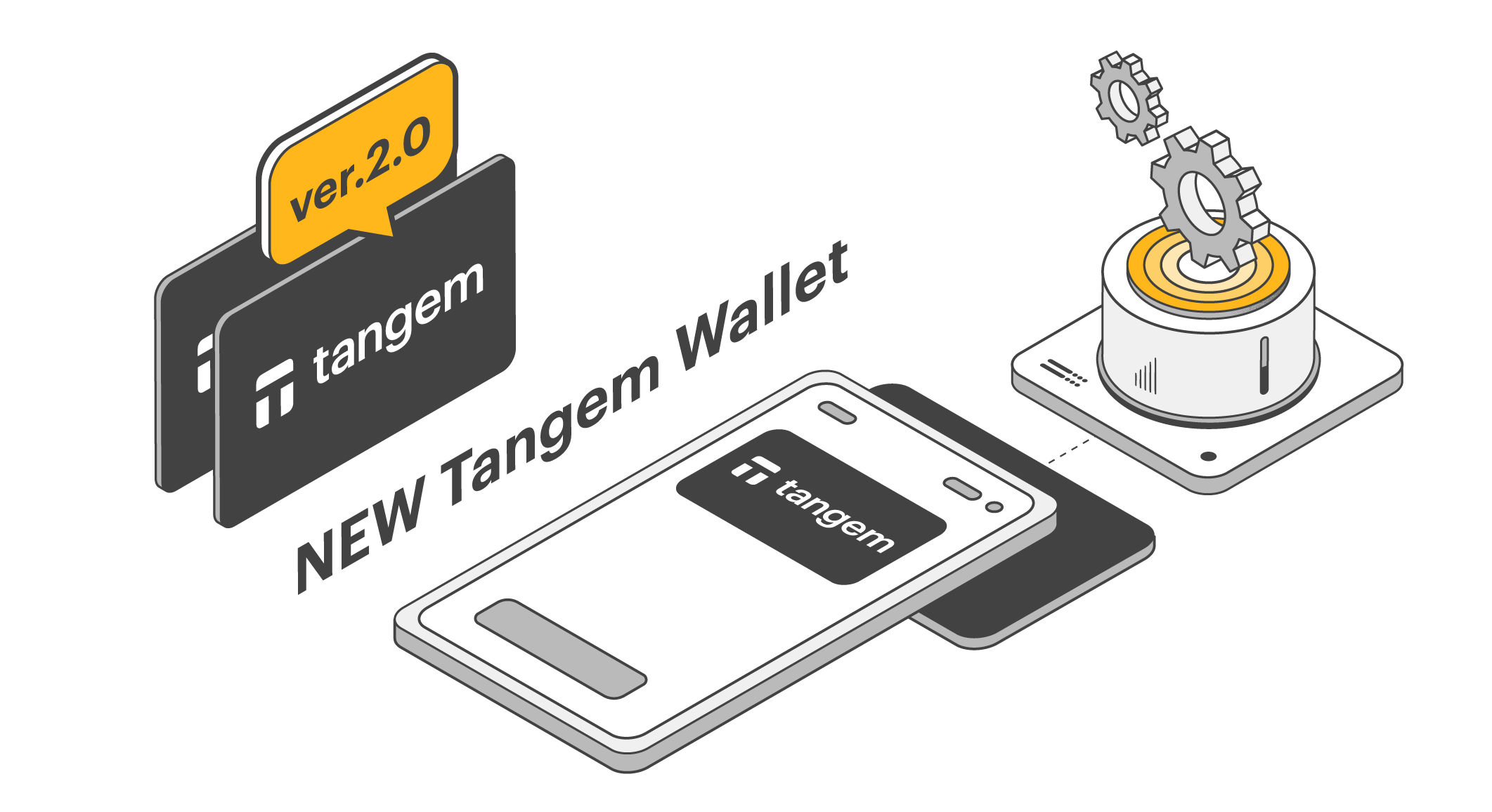
I tried a few card brands. Some were clunky. Some felt thoughtfully engineered. One that stands out in my notes is the tangem wallet experience—small form factor, audited secure element, and a clean mobile interface. The link below takes you to more details about that product. My experience was that setup was straightforward and the hardware behaved reliably. There’s a certain satisfaction in tapping a card and seeing your phone approve a multisig sign. Really?
But caveat emptor. Device provenance, firmware audits, and community trust all matter. If a card has closed firmware with no independent review, you’ll have to weigh convenience versus opacity. For institutional users, supply-chain assurances and manufacturing transparency often tip the scale toward audited solutions and formal processes.
FAQ — Quick practical answers
Can I use a card as my only wallet?
Short answer: you can, but I wouldn’t recommend it for life’s savings. If you opt in, make sure you understand the recovery mechanism and test it. Also keep a backup card or a secure recovery record. No exceptions.
Are card wallets secure against phone malware?
They reduce attack surface because private keys never leave the secure element. That makes certain classes of malware less effective. However, compromised companion apps or social-engineering attacks can still trick users into approving transactions. Train yourself to verify amounts and recipients before you approve—habit matters.
What about durability and everyday wear?
Cards are surprisingly resilient but not indestructible. They resist normal wallet wear, but bend or deep scratches can be a problem. Keep a backup. Treat the card like any key: durable but replaceable if lost or damaged.
Okay—final-ish thought. There’s a neat elegance to having a crypto key that lives in a card. It blends into daily life in a way traditional hardware keys don’t. My instinct still flags a few vendor and recovery risks, though, and that keeps me cautious. If you’re curious, test with a small amount. Do some reading. Try a tap. See how it fits into your routine. You might end up keeping it in your wallet forever… or you might decide it’s a secondary convenience tool. Either way, it’s a cool option that moves the ecosystem forward.

